Alterations
Common clothing alterations and what to ask for
Understand common alteration requests and learn how to describe the fit, function and finish you want without needing technical sewing language.
Before you begin
- Describe where the garment feels wrong and how you need to move in it.
- Bring the intended shoes when a hem length needs to be checked.
- Letting a garment out depends on usable fabric inside the seams.
You do not need to know sewing terminology to ask about an alteration. The most useful starting point is to explain what feels wrong, how you want to use the garment and what outcome matters most.
Every item still needs individual assessment. Fabric, seam allowance, lining, embellishment, previous alterations and wear can limit what is practical. A photograph may support an initial conversation but cannot confirm the final method or price.
Hems
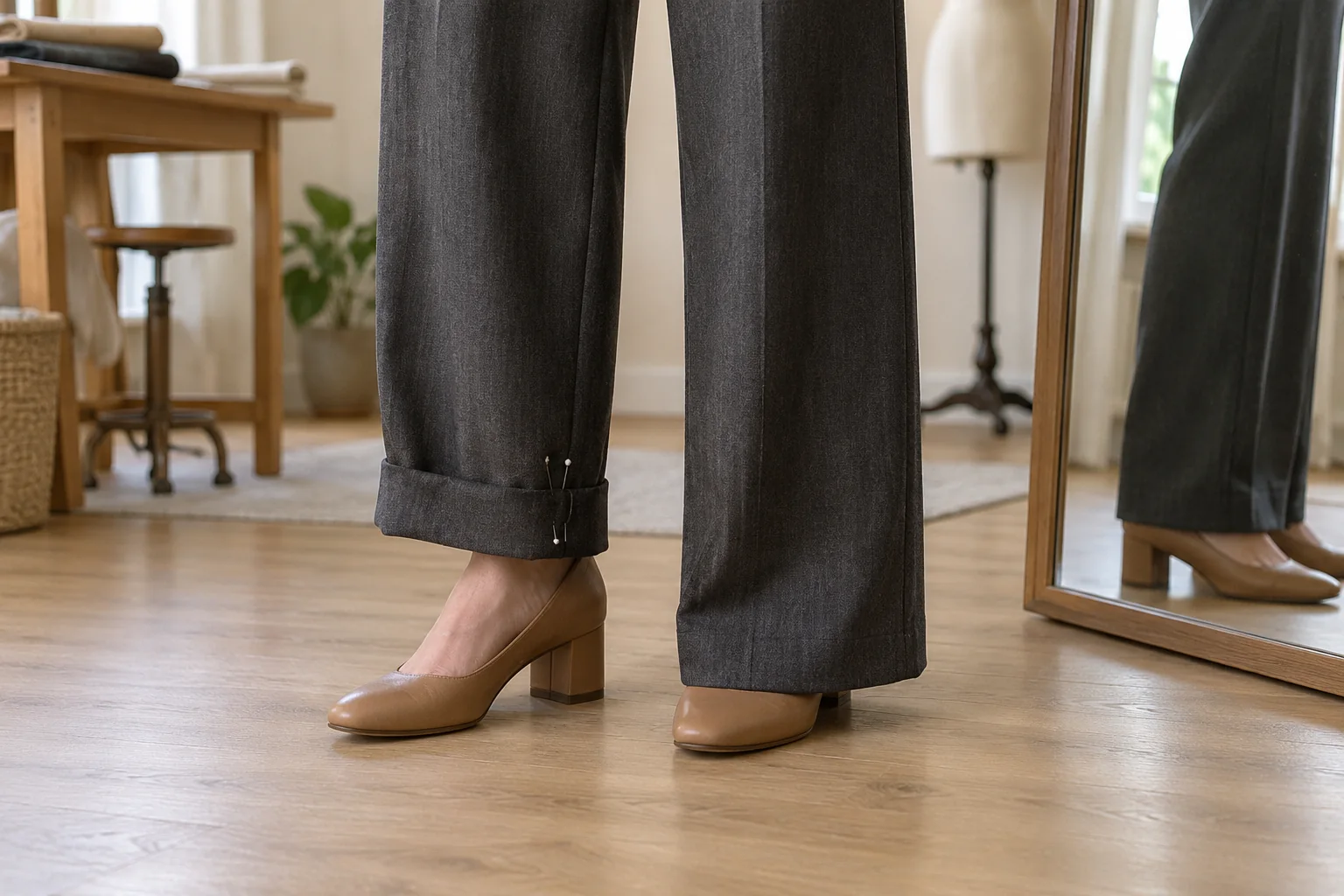
Common requests include shortening trousers, jeans, skirts, dresses and sleeves. When enquiring, explain:
- where you would like the finished edge to sit;
- which shoes you expect to wear;
- whether the original hem or visible stitching matters to you;
- whether the garment is lined, pleated, flared or curved; and
- the date you need the item, if relevant.
A dress with several layers, a shaped hem or delicate fabric is different from a straight trouser hem. Bring the intended shoes to a fitting so the length can be assessed while the garment is worn.
Waist adjustments
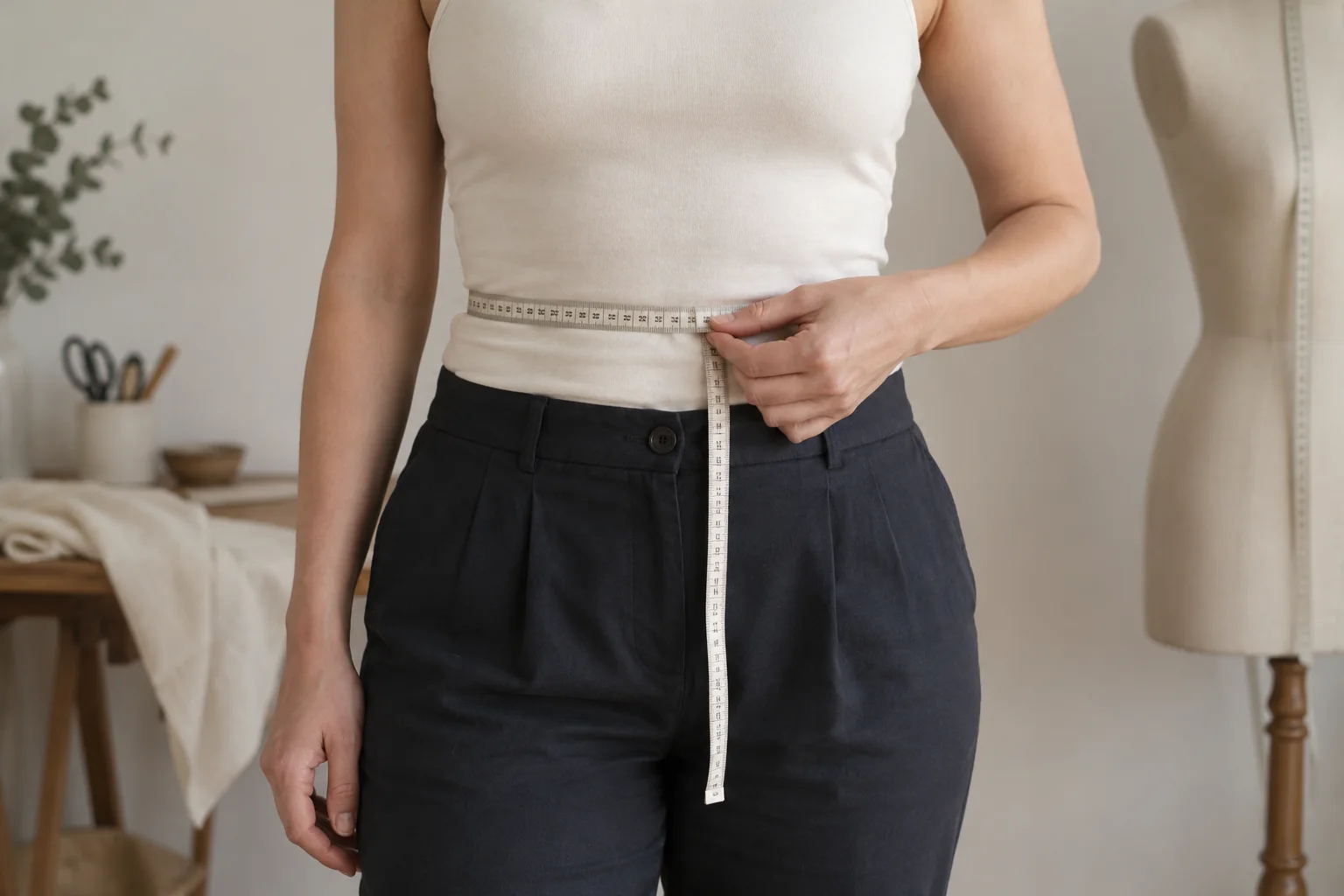
Waistbands may gap, pinch or sit at an uncomfortable point. Describe where you notice the problem and whether comfort changes when sitting, eating or moving.
Possible approaches depend on the garment’s construction, available seam allowance, pockets, belt loops, zip position and fabric marks. “Take in the waist” may not describe the whole issue if the hips, rise or back shape also affect the fit.
Side seams and general resizing
A garment may feel too loose or tight through the bust, waist, hips or torso. Point to the areas that concern you rather than asking for a size conversion.
Making an item smaller is not always simple, and making it larger usually requires usable fabric inside the seams or a suitable design change. Large size changes can alter pockets, darts, balance, armholes, prints and proportions. Sometimes reconstruction would be more appropriate than a standard alteration; sometimes the responsible answer is that the requested change is not suitable.
What seam allowance can tell you
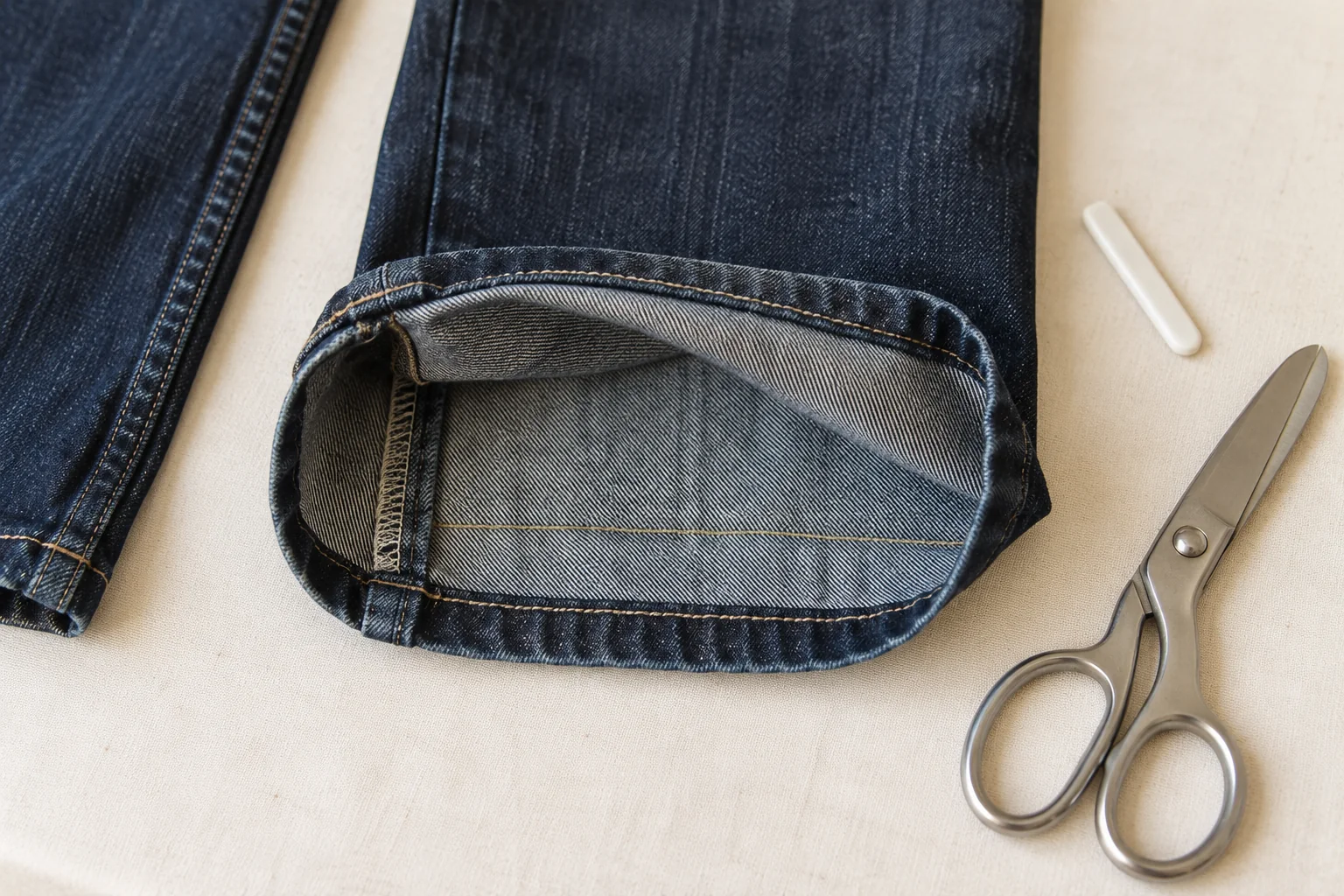
Seam allowance is the fabric beyond the line of stitching, inside the garment. A wider allowance may offer some room to let a seam out, but some must remain to make a secure seam. Frayed edges, previous trimming, linings, faded fabric and old stitch marks can reduce the usable amount.
Look inside without unpicking anything. A photograph of the seam can help an initial enquiry, but there is no reliable rule that every garment can be increased by one size. Kymmy needs to assess the actual construction first.
Sleeves and straps
Sleeves can sometimes be shortened at the cuff or shoulder, depending on their shape and details. Mention cuffs, buttons, vents, lining, elastic, zips or decorative trim.
For straps, explain whether they slip, feel too long, cut into the shoulder or position the neckline incorrectly. Adjusting a strap can change the armhole and neckline, so the garment usually needs to be seen on the body.
Zips and other fastenings
A zip may be broken, separating, catching or difficult to close because the garment is too tight. These are different problems.
Include the garment type, zip location and approximate length. Mention lining, waterproof coatings, decorative zips or damage around the opening. A replacement zip must suit the garment, and matching the original colour or hardware may depend on availability.
Buttons, hooks, snaps and elastic can also be assessed. Keep any loose original parts and bring them with the garment.
Repairs and patching
Useful enquiry details include:
- where the damage is located;
- how it happened, if known;
- whether the fabric is continuing to fray or tear;
- whether the repair should be discreet or intentionally visible;
- whether matching fabric is available; and
- whether the item has sentimental or high monetary value.
A repair strengthens or closes a damaged area but may remain visible. Old, sun-damaged, very fine or brittle fabric can be vulnerable beyond the tear itself.
Formalwear and delicate garments
Formal dresses, suits, bridal garments and embellished clothing often involve lining, boning, lace, beads, sequins or multiple fabric layers. They may need more than one fitting and extra time.
Disclose delicate details, stains, previous work and the event date before an appointment. An urgent date does not guarantee that the work can be accepted or completed safely.
Restyling and garment transformations
Changing a neckline, sleeve shape, length or overall style can become a reconstruction project rather than a straightforward alteration. Be clear about your priorities: preserving fabric, achieving a particular function, keeping an original detail or staying within a budget.
Reference images can communicate a direction, but they cannot prove the same result is possible with a different garment. Kymmy will not directly copy another designer’s protected work.
How to write a useful enquiry
You can use plain language such as:
The waistband gaps at the back, but the skirt fits comfortably through the hips. I would like it to sit securely without feeling tight when seated. It is lined and has a zip at the side. I can attend a fitting and need it for an event on [DATE].
Include:
- the garment type and material, if known;
- what feels wrong or is damaged;
- the result you hope for;
- lining, beads, lace, sequins or delicate details;
- known stains, fragility or previous alterations;
- your required date and event date;
- whether you can attend a fitting; and
- one or two clear photographs or links if requested.
See how to prepare for an alterations fitting before bringing the garment in.
Ask before assuming
An online response can only be preliminary. Inspection may reveal construction or condition that changes the possible approach, quote or timeframe. Kymmy may decline work that is unsuitable, unsafe or outside current capability.
Use the alterations enquiry pathway to start with the facts. Submitting the form does not reserve a booking or confirm that the work will be accepted.
Further reading
Simplicity’s guide to pattern size and ease explains why a size label alone does not describe the room and shape built into a garment.